trees

HPSD Showcases Nutrition and Cultural Programming at National Conference

High Prairie School Division's nutrition and Indigenous cultural programming were featured at the School Food For All: Nourishing Futures Conference in Montreal, Quebec, June 2–4. The national conference brought together school food practitioners, educators, researchers, public health professionals, policymakers, and community leaders from across Canada to discuss the future of school food. Brennan McDonald, District Principal of Collegiate Planning and Special Projects, and Jamie Chalifoux, Indigenous Education Coach Lead, shared HPSD's work with a standing-room-only audience.
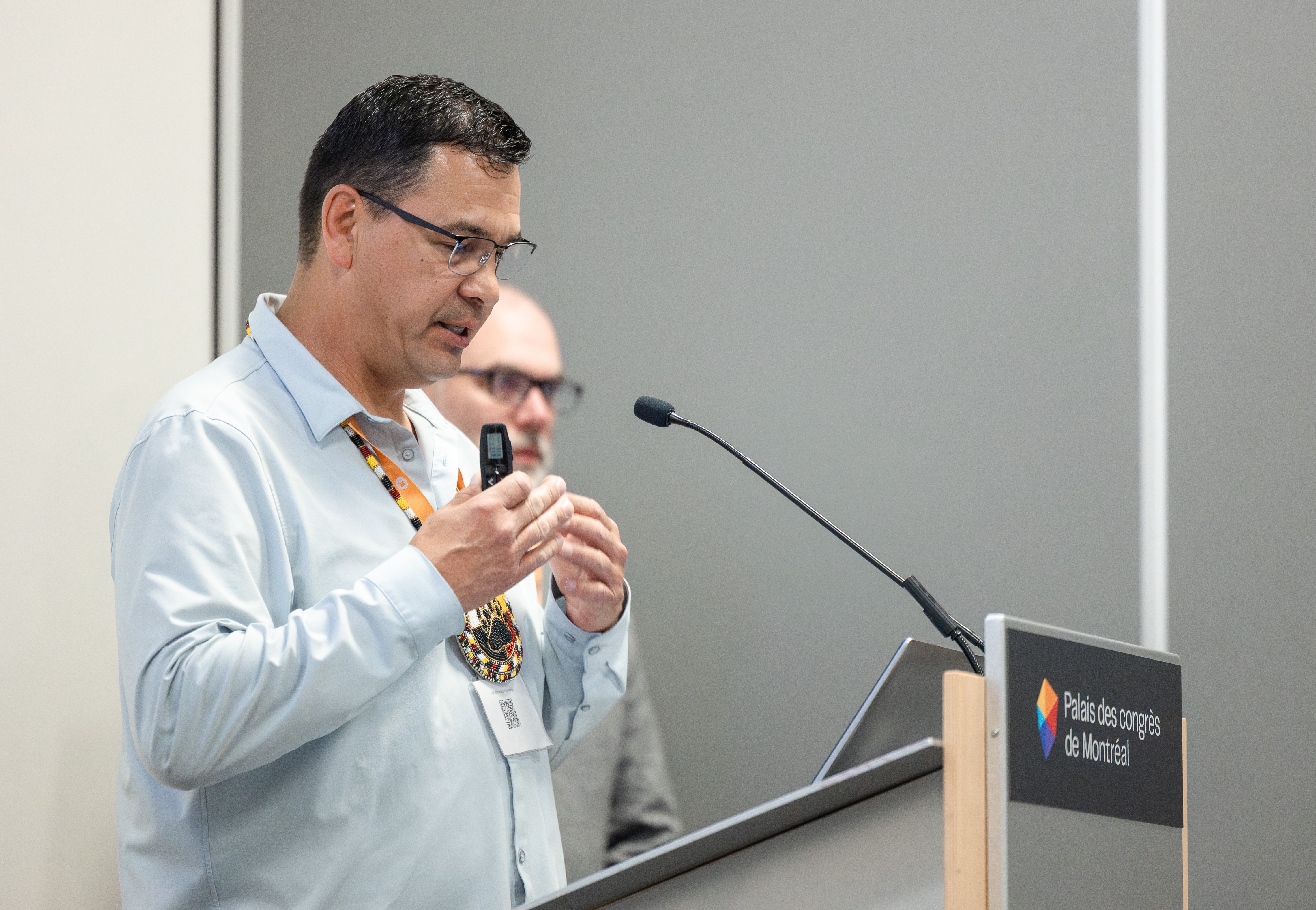
McDonald highlighted HPSD's fully grant-funded nutrition program, which provides breakfasts, lunches, and snacks to students across the division. Through free salad bars, hot lunch programs, and traditional meals, HPSD currently serves approximately 65 percent of its student population, with plans to expand kitchen facilities at Roland Michener Secondary School and C.J. Schurter School. The presentation showcased how HPSD introduces students to a variety of foods while creating meaningful opportunities for hands-on learning. High school students help prepare meals for their peers and participate in initiatives such as meat processing and food preparation, developing practical skills while giving back to their school and community. HPSD's Always Growing vertical farm further supports salad bars across the division by providing fresh, locally grown produce year-round.

McDonald also spoke about the connection between nutrition and student success, noting improvements in attendance, reductions in late arrivals, and fewer behavioural incidents following lunch periods.

"When students are fed, they are better able to learn and succeed," said McDonald. "We're seeing improved attendance because students want to take part in meal programs, and we've seen the positive impact that has on engagement and school completion."

The national school food policy recognizes that school food programs support not only nutrition, but also cultural connection, food literacy, local food systems, and Indigenous food knowledge. Chalifoux shared how HPSD's nutrition initiatives connect with the division's extensive Indigenous cultural programming and land-based learning opportunities. He also highlighted the partnership between Indigenous Education and school nutrition programs to incorporate traditional foods, including bison, into the hot lunch program.

"HPSD has become a provincial leader in Indigenous cultural programming and is gaining national recognition for the work happening in our schools," said Chalifoux.

The presentation generated significant interest among educators and school nutrition leaders across Canada, looking to learn more about HPSD's approach to supporting students through food, culture, and community.

Nourishing Futures Day 3 1150